Loading...
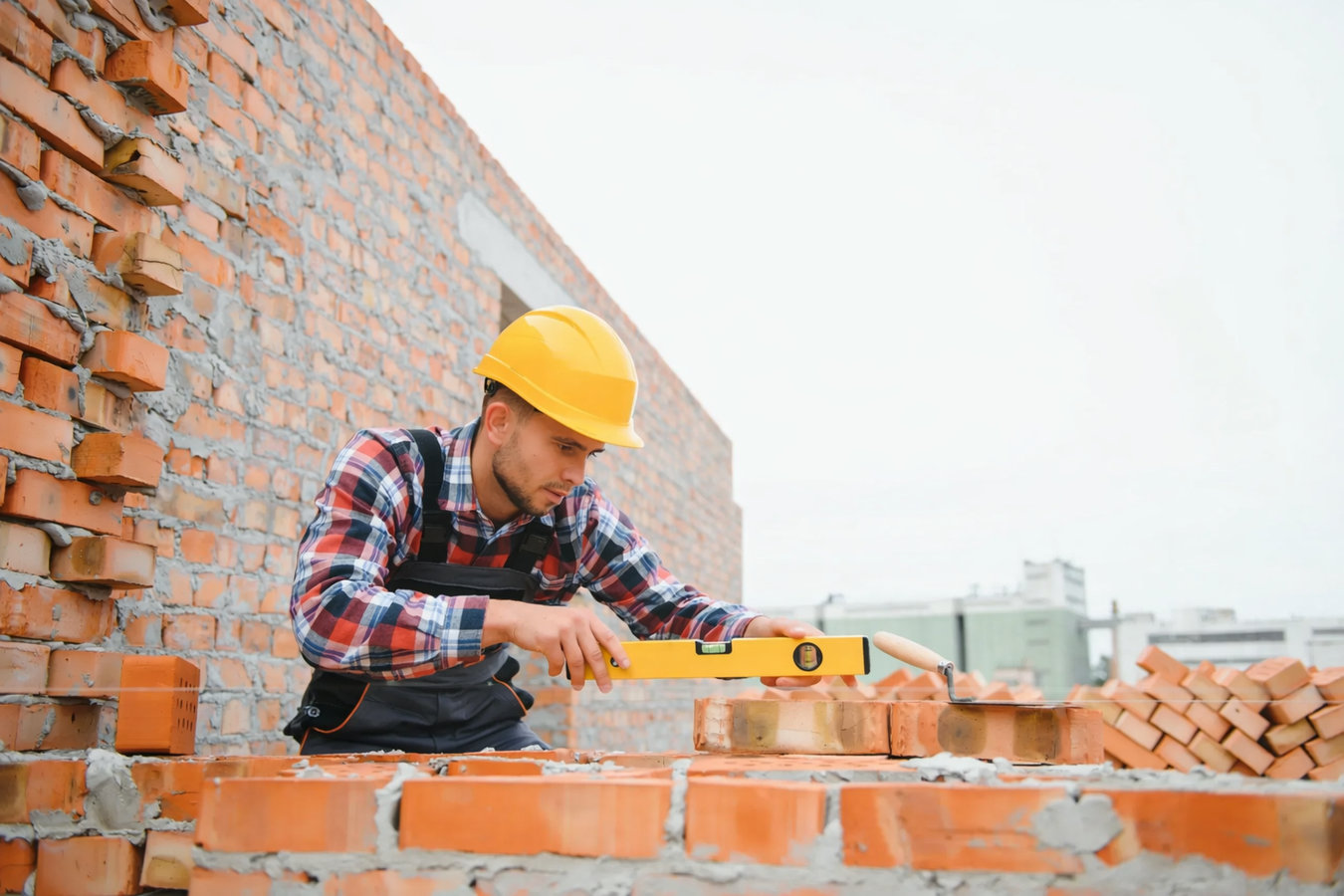
Cracked bricks, crumbling mortar, and damaged chimney crowns get worse every rainy season. We find the real cause and fix it properly so the repair holds through Citrus Heights summers and winters alike.
Brick repair in Citrus Heights covers everything from replacing cracked or spalling individual bricks to repointing the mortar joints that hold a wall together, with most small-to-mid-size repairs completed in one to two days. The mortar - the material filling the joints between bricks - is typically the first thing to fail, and fixing it before the bricks themselves break down is almost always the less expensive path.
Citrus Heights homes built in the 1950s through 1980s are at the age where brick chimneys, planters, retaining walls, and decorative facades all need attention. The Sacramento Valley climate - hot, dry summers followed by concentrated winter rain - puts more stress on mortar than most homeowners realize. By the time a crack is visible from the street, water has usually been working its way in for at least one or two rainy seasons.
When mortar joint failure is the primary issue rather than damaged brick, our tuckpointing service handles that specifically. Many jobs need both, and we combine them so you are not scheduling two visits.
White or grayish powder forming on the brick face after rain - called efflorescence - means moisture is moving through the wall and carrying mineral deposits with it. In Citrus Heights this tends to appear in late winter or early spring after the rainy season. It usually signals that mortar joints are no longer sealing out water the way they should.
A crack in a brick wall or chimney that looks wider in winter than in summer is telling you the clay soil under your home is moving with moisture changes. This is common in Citrus Heights and across the Sacramento area. A crack that changes size has not stopped moving, and that is worth a mason's assessment before it worsens.
If the face of a brick is chipping off in thin layers or looks rough and pitted where it used to be smooth, that is spalling. It happens when water gets into the brick itself and then expands during cooler temperatures. Left alone, spalling spreads and eventually the brick needs to be replaced rather than repaired.
The flat cap at the very top of your chimney takes the worst weather abuse of any part of the structure. Cracks, gaps, or missing sections visible from the ground - or water stains inside the fireplace - are a sign the crown is failing. Citrus Heights summers and winters accelerate crown deterioration faster than in milder climates.
We handle brick repair on chimneys, exterior walls, retaining walls, steps, planters, and decorative masonry features. The work begins with a close look at not just the visible damage but the surrounding bricks and mortar for related issues - a careful assessment prevents follow-up calls. When individual bricks are cracked or spalling, we source replacement units and match them as closely as possible to your existing material in color and texture. If your chimney needs crown repair alongside mortar work, we address both so the top of the structure is fully protected before rain season.
Full masonry restoration is available when a structure needs more than targeted repairs - covering full repointing, cleaning, and stabilization of brick or stone that has deteriorated significantly over decades. The Brick Industry Association publishes the technical standards we follow for mortar selection and brick replacement on every job.
Suited for chimneys, exterior walls, and garden walls where joint failure is widespread and water intrusion is a current or likely concern.
The right choice when specific bricks are cracked, spalling, or structurally compromised and the surrounding masonry is otherwise sound.
Ideal for homeowners who can see visible cracks or missing sections at the top of their chimney and want the structure sealed before winter.
For retaining walls, steps, or load-bearing masonry where cracking or movement has gone beyond cosmetic and the wall needs stabilization.
The Sacramento Valley's pattern of hot, dry summers followed by concentrated winter rain puts unusual stress on mortar. Joints dry and contract in the heat, then absorb moisture when the rains arrive in November. For homes built in the 1950s and 1960s - which make up a large portion of Citrus Heights's housing stock - that cycle has been repeating for 60 or more years. The clay-heavy soils found across much of this part of Sacramento County add a second variable: seasonal shrink-swell movement that can open cracks in retaining walls, chimney bases, and brick planters even when the masonry itself is otherwise sound. California requires masonry contractors to hold a state-issued C-29 license, which you can verify yourself at the Contractors State License Board before hiring anyone.
We serve homeowners throughout the area, including Carmichael and Sacramento, where brick structures of the same era and soil conditions are equally common. Understanding the local environment - not just the visible damage in front of us - is what separates a repair that holds from one that fails the following winter.
We ask where the damage is and what you are seeing. You will hear back within one business day to set up an on-site visit - no charge for the assessment.
We walk the damaged area with you, check the surrounding masonry for related issues, and give you a written estimate with a plain-language breakdown before any work is agreed to.
The crew arrives with tools and materials, removes damaged mortar or bricks, and completes the repair in one to two days for most residential jobs. The site is cleaned up before we leave each day.
We walk the finished work with you and explain the curing period - typically 24 to 48 hours before the area should get wet. Full mortar strength develops over the following few weeks.
Free written estimate, no obligation. We reply within one business day and can usually schedule within the week.
(916) 618-0266In Citrus Heights, clay soil movement is often the underlying reason a crack keeps returning. We look at the base of the wall and the grade around it before recommending a fix, so the repair addresses what is actually happening.
Older brick requires softer mortar. Using a mix that is too hard transfers stress into the brick face rather than the joint, causing new damage over time. We choose the right mix for your home's age and existing material before we start.
California's C-29 masonry license can be confirmed in 30 seconds on the CSLB website before you sign anything. We carry full insurance and operate as a licensed contractor in Citrus Heights and Sacramento County.
Mismatched mortar color is the most common complaint after a cheap repair job. We test the mix against your existing wall before we apply it, so the finished repair blends in rather than standing out.
We walk every finished job with the homeowner before we leave, explaining what was repaired, what was left in place, and what to watch through the first rainy season. That transparency is how we work, and it is what brings most of our customers back when the next repair comes up.
Upgrade an aging concrete driveway with paver installation that handles Citrus Heights seasonal soil movement better than a solid slab.
Learn MoreWhen brick or stone has deteriorated beyond targeted repairs, full restoration covers repointing, cleaning, and structural stabilization in one project.
Learn MoreEvery rainy season pushes water a little deeper into failing brick. Call today or request a free estimate online and we will get out to take a look this week.