Loading...
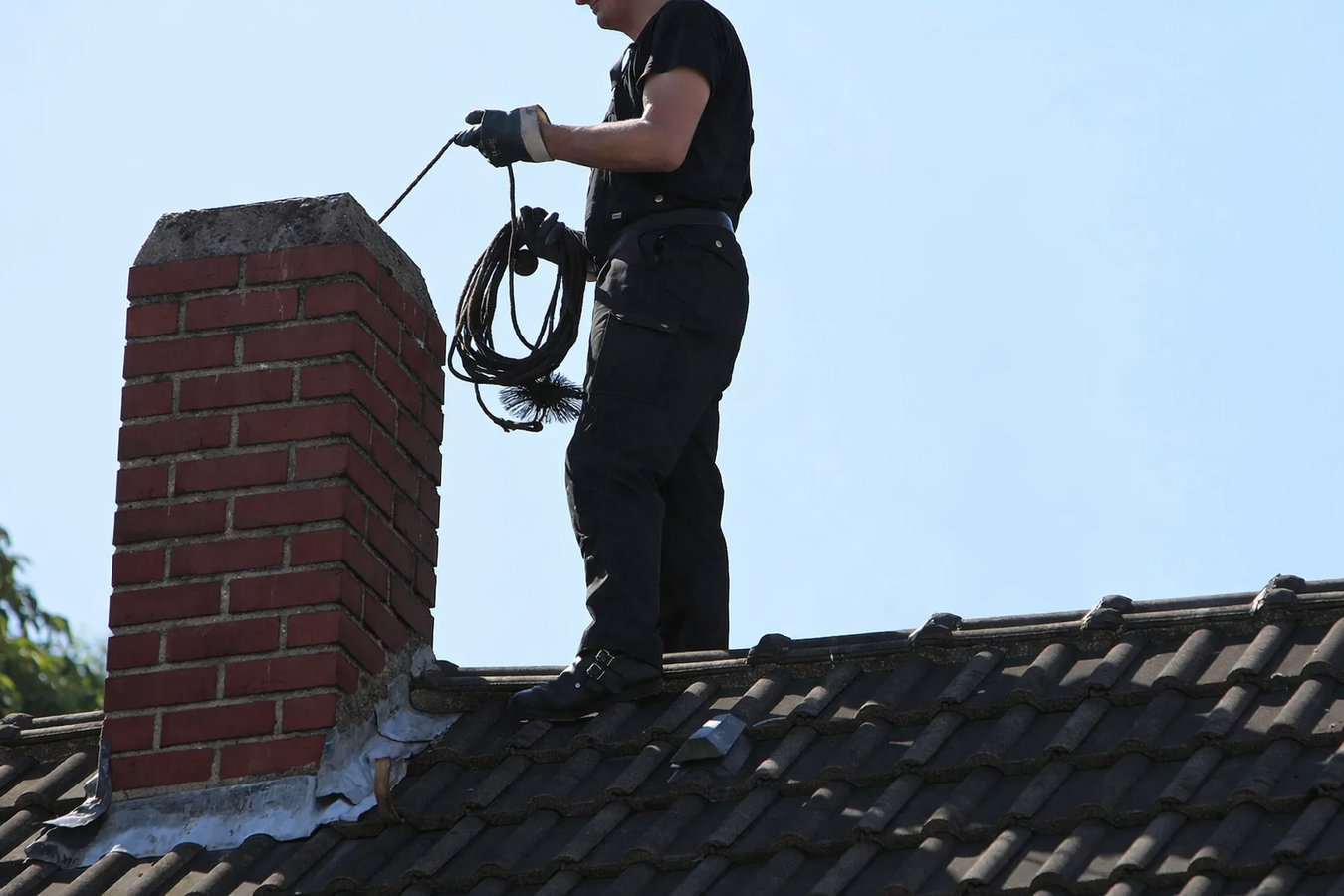
Cracked mortar, a missing cap, or water stains inside your firebox are warnings your chimney is letting water in. We find it, fix it, and document the work - before one rainy season turns a small repair into a big one.
Chimney repair in Citrus Heights covers a range of work depending on what has failed - from patching cracked mortar joints and replacing a missing cap, to relining the flue or rebuilding a section of the chimney above the roofline - and most standard jobs are finished in one to two days on-site.
Water is the main enemy of a masonry chimney. In Citrus Heights, where winter rains arrive in November and run through March, even a small crack in the mortar or a damaged cap can let moisture soak into the brickwork repeatedly. That repeated soaking is what accelerates deterioration - bricks begin to spall, the liner can crack, and what starts as a few hundred dollars of mortar work can quietly become a multi-thousand-dollar structural repair if it goes unaddressed through a few wet seasons.
Chimney work often pairs naturally with broader masonry maintenance. If your chimney mortar is showing wear, it is worth asking whether your firebox and surrounding masonry need attention too. We can also help with tuckpointing throughout the rest of your home's masonry at the same time, which is often more cost-effective than separate trips.
Chalky white streaks or patches on your chimney bricks after a wet stretch are called efflorescence - mineral salts left behind as water soaks in and evaporates. In Citrus Heights, this staining often appears by February and is one of the earliest visible signs that your mortar or cap needs attention.
Stand back and look at your chimney from the yard. If you can see gaps, crumbling edges, or sections where mortar has receded or fallen out entirely, water is already getting in. This deterioration is very common in Citrus Heights homes built in the 1950s and 1960s - the original mortar has simply reached the end of its useful life.
If you open your fireplace damper and smell something damp, or see water stains or rust on the firebox walls, water is entering the chimney from above. Something at the top - the cap, the crown, or the flashing where the chimney meets the roof - is no longer keeping rain out.
Smoke coming into the room instead of going up and out means something is blocking or restricting the flue. It could be a bird's nest, a collapsed liner section, or heavy creosote buildup - all more common in chimneys that have not been used or inspected in several years. This is a safety issue that warrants a professional inspection before you light another fire.
We handle the full range of chimney repair and restoration work for residential properties. That includes mortar repointing - removing deteriorated mortar and packing in fresh material to seal the joints - as well as chimney cap and crown repair or replacement, spalling brick restoration, flue relining, and flashing repair where the chimney meets the roof.
For homeowners whose fireplace itself needs work or who want to add a new one, we also offer full fireplace installation services, building from the firebox up. Every chimney repair engagement starts with a thorough inspection so we understand the full scope before recommending anything - and so you know exactly what you are paying for.
Best for chimneys with crumbling or receded joints - removes old mortar and packs in fresh material to stop water entry.
Covers missing, cracked, or rusted chimney caps and crowns that are allowing rain to fall straight into the flue.
Replaces or stabilizes bricks that have begun to flake or break apart from repeated water and thermal stress.
For chimneys with a cracked or deteriorated liner, relining restores the safety barrier that keeps heat and gases away from your home's framing.
A large share of Citrus Heights homes date from the postwar suburban boom of the 1950s through 1970s, meaning many chimneys in this city are 50 to 70 years old. Chimneys of that era were built with clay tile liners and lime-based mortars that have a natural lifespan - and many are now at or past it. If your home was built before 1980, the original materials may look intact from the outside while quietly failing inside, which is why an inspection matters even if nothing is visibly wrong yet.
Sacramento Valley's climate adds another layer of stress. Summers regularly push past 100 degrees, causing masonry to expand and contract - which works mortar joints loose over many years. Then the rains arrive in November and soak into whatever cracks the heat opened. We serve homeowners throughout the area, from Fair Oaks to Orangevale and throughout Citrus Heights. For more on chimney fire prevention and what to look for, the National Fire Protection Association publishes clear homeowner guidance.
We respond within 1 business day. When you call, expect to spend a few minutes describing what you have noticed - staining, smells, or visible damage. Most chimney problems are impossible to diagnose from a description alone, so we schedule an on-site inspection before giving you any price.
A mason examines your chimney from the ground, from the roof, and from inside the firebox - checking mortar joints, the cap, the crown, and the flashing. We walk you through what we found and show you the damage directly before recommending anything.
You receive a written estimate that lists each repair item separately with its cost. If the job requires a city permit, we tell you at this stage and include the permit cost in the estimate - no surprises later.
Most chimney repairs finish in one visit. The crew works primarily on the roof and exterior, so your daily routine inside is mostly unaffected. Fresh mortar needs time to cure - we advise you on when the fireplace is ready to use and clean up debris from the roof and yard before leaving.
We respond within 1 business day - no obligation, no pressure. After you submit, someone from our office will call to schedule your free on-site inspection. We will examine your chimney from the ground and the roofline, explain what we find, and give you a written quote before any work begins.
(916) 618-0266Every fall in Citrus Heights, the window between the end of summer heat and the first November rain is short. We prioritize scheduling so repairs are finished and mortar has time to fully set before the wet season - not rushed through the middle of it.
You get an itemized written estimate before a single brick is touched. We do not change that number without a conversation and your approval first - so the invoice you receive matches what you agreed to.
We hold a valid California contractor license and carry full liability insurance and workers compensation. That license is verifiable through the California Contractors State License Board in minutes - a contractor who will not share their number is one to avoid.
Most chimneys in this city were built in the 1950s through 1970s, and we understand how those structures age. We give honest assessments of what is cosmetic and what is structural - so you invest in repairs that last, not patches that fail in two seasons.
Choosing a chimney repair contractor is a safety decision as much as a home maintenance one. We bring proper licensing, transparent pricing, and real local knowledge to every inspection and repair. The Chimney Safety Institute of America offers independent guidance on what to look for in a qualified chimney professional if you want a second reference point.
Worn mortar joints throughout your masonry - not just the chimney - benefit from tuckpointing before water intrusion causes deeper damage.
Learn MoreIf your existing fireplace is beyond repair or you want to add a new one, we design and build custom masonry fireplaces from the firebox up.
Learn MoreCitrus Heights winters move fast - contact Citrus Heights Concrete & Masonry now and get a written estimate while the weather is still dry enough to do the work right.