Loading...
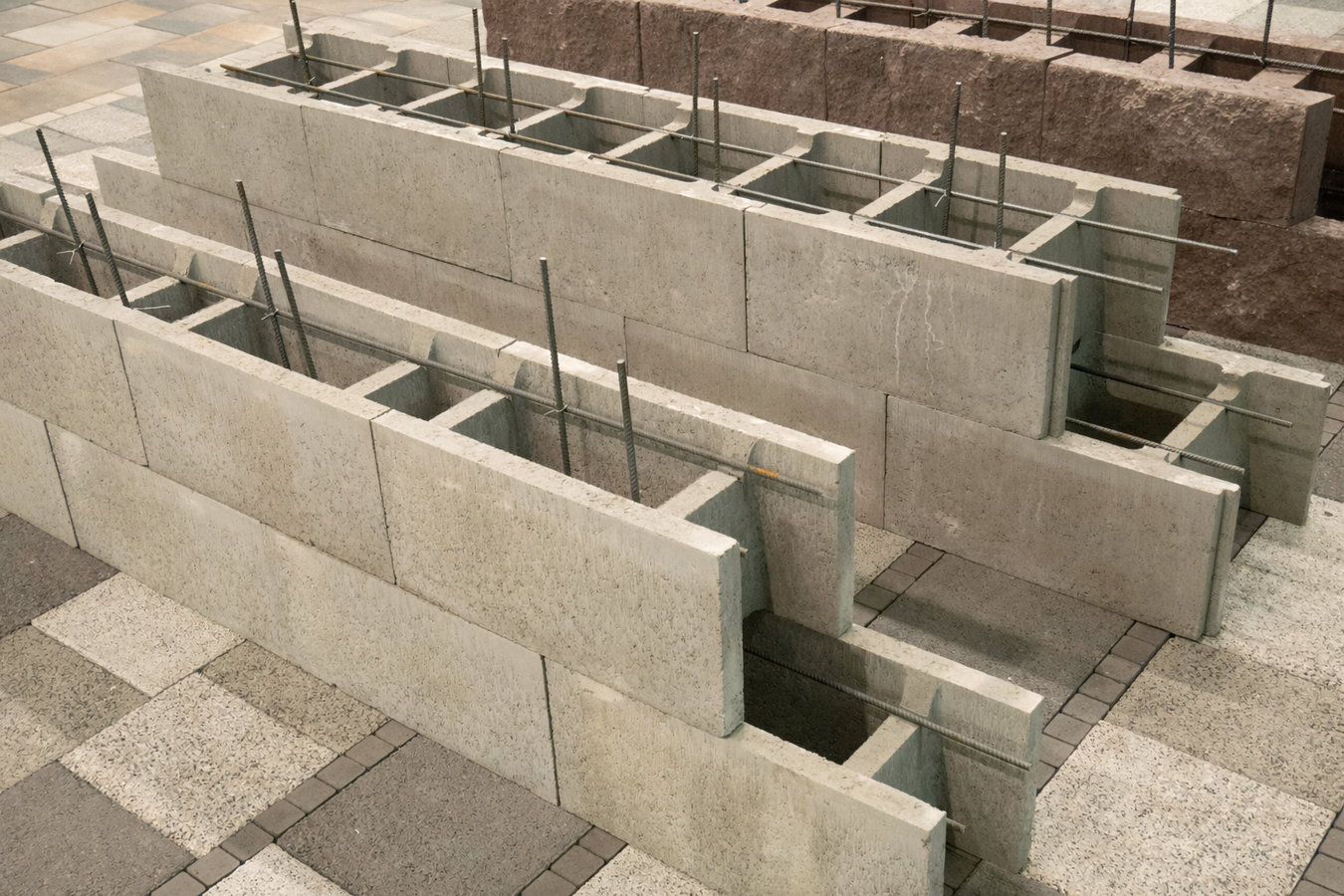
Your foundation is what holds everything else up. We build reinforced block walls designed for local soil conditions, handle the permits, and give you a written estimate before a single block moves.
Foundation block wall installation in Citrus Heights uses stacked and mortared concrete masonry units to form the structural base of a home, with most residential jobs taking three to six days of active construction plus additional time for permit processing and mortar curing.
Most homeowners come to us after noticing cracks in an aging foundation or moisture showing up in a crawl space after winter rains. Citrus Heights has a large stock of homes from the 1950s through 1970s, and many of those original block walls are now overdue for assessment or repair. If your home falls in that era, this is worth looking at before small problems grow into large ones.
We handle both new installations and replacement work. If you are also dealing with related structural concerns, our foundation repair service may be the right starting point.
Cracks wider than a hairline, or diagonal cracks running across the wall, mean the structure has moved or settled. In Citrus Heights, the wet-dry clay soil cycle is a common cause. A pattern of cracks usually calls for professional evaluation, not just patching.
Stand back and look at the wall from a distance. If any section curves inward or leans rather than sitting perfectly plumb, soil pressure is pushing against it. This condition worsens over time and is worth a professional opinion sooner rather than later.
After a heavy winter rain, check your crawl space for standing water, damp soil, or a musty smell. Citrus Heights gets concentrated rainfall from November through March, and an unprotected block wall can allow that moisture straight through. Repeated water intrusion rots wood framing and creates mold - both far more expensive to fix than the wall itself.
When a foundation wall shifts, the frame above it shifts too. If doors or windows have started sticking, won't latch, or show visible gaps at the corners, that is often the first visible sign of foundation movement. Gradual changes over a year or two are worth investigating.
We handle foundation block wall installation for new builds, full foundation replacements, and partial repairs on existing structures. Every job starts with a site visit so we can assess the soil conditions, measure the scope, and give you a realistic written estimate before anything moves. We size footings and reinforcement for local clay soil, not just generic conditions, which matters in Citrus Heights where seasonal ground movement is real. We also handle the permit process through the city's Building Division, so you have documented, inspected work on record.
Our work connects naturally with other structural masonry services. If your project grows to include a garden or retaining structure, our outdoor kitchen masonry team can extend the same quality to the exterior of your property. And if the underlying issue turns out to be structural rather than cosmetic, we can also assess whether a full foundation repair is the right call.
Best suited for additions, new construction, or homes where the existing foundation has failed beyond repair.
Best suited for homes with localized damage where the rest of the foundation is still sound.
Best suited for older Citrus Heights homes built without modern rebar requirements where a seismic upgrade is needed.
Best suited for homes with an existing crawl space that needs a new or rebuilt perimeter structure.
A large portion of Citrus Heights homes were built between the 1950s and 1970s using concrete block foundations that were standard at the time. Those walls are now 50 to 70 years old. The clay-heavy soils common in this area swell during the rainy season from November through March and shrink back in the dry summer months, putting steady pressure on any foundation that was not built with that movement in mind. Homes in older neighborhoods often show the results: cracked mortar joints, bowing sections, or moisture working its way into crawl spaces.
The Sacramento region also sits in a moderate seismic hazard zone, which means current building code requires steel reinforcement inside the hollow block cores on any structural wall. A wall built or repaired without that reinforcement is not just below code - it is a liability in an earthquake. We serve homeowners throughout Citrus Heights and nearby areas including Orangevale and Fair Oaks where this same aging housing stock and soil profile are equally common. For further reading on seismic requirements, the California Geological Survey publishes seismic hazard maps for the entire Sacramento region.
We reply within one business day. Tell us what you are seeing and where you are located, and we will schedule a site visit at a time that works for you.
We come to your property, assess the existing structure and soil conditions, and provide a written estimate that covers labor, materials, and permit fees - no surprises after work starts.
We pull the permit on your behalf and schedule the work. On day one, the crew excavates and pours the concrete footing that the blocks will sit on. This is the most critical step for long-term stability on Citrus Heights clay soil.
Once the footing cures, blocks are stacked, mortared, and reinforced with steel rods as required. After the wall is complete, we schedule the building inspection and walk you through the finished work before closing out the project.
Free site visit. Written estimate before any work begins. No pressure.
(916) 618-0266We design every footing around the clay-heavy ground conditions common in Citrus Heights, not a generic spec. That means the wall stays level and solid through the seasonal wet-dry cycle rather than cracking within a few years.
Every structural foundation job we complete goes through the city's building inspection process. You get an independent set of eyes confirming the work meets current safety standards - documentation that holds up when you refinance or sell. For verification standards, the California Contractors State License Board maintains a public license lookup tool.
Before a single block moves, you have a written estimate covering labor, materials, and permit fees. We explain every line so you know what you are paying for, and the number does not climb once work starts.
The Sacramento region is a moderate seismic hazard area, and California building code requires steel reinforcement in structural masonry walls. We include this on every structural job - not as an add-on, but as a baseline expectation of what a properly built wall looks like.
These are not selling points - they are the minimum standard for foundation work that will still be standing in 50 years. We hold ourselves to them on every project, whether it is a crawl space section or a full perimeter replacement.
Permanent masonry structures for outdoor cooking areas, built to handle Sacramento Valley heat and clay soil movement.
Learn MoreTargeted repairs to cracked, bowing, or water-damaged foundations in Citrus Heights homes.
Learn MoreCitrus Heights homeowners book us in spring and summer to get walls inspected, permitted, and cured well before November rains arrive - call now to get on the schedule.