Loading...
Crumbling mortar and aging brick let water in every winter. We repair, repoint, and seal masonry so your home stops deteriorating and starts holding up the way it should.
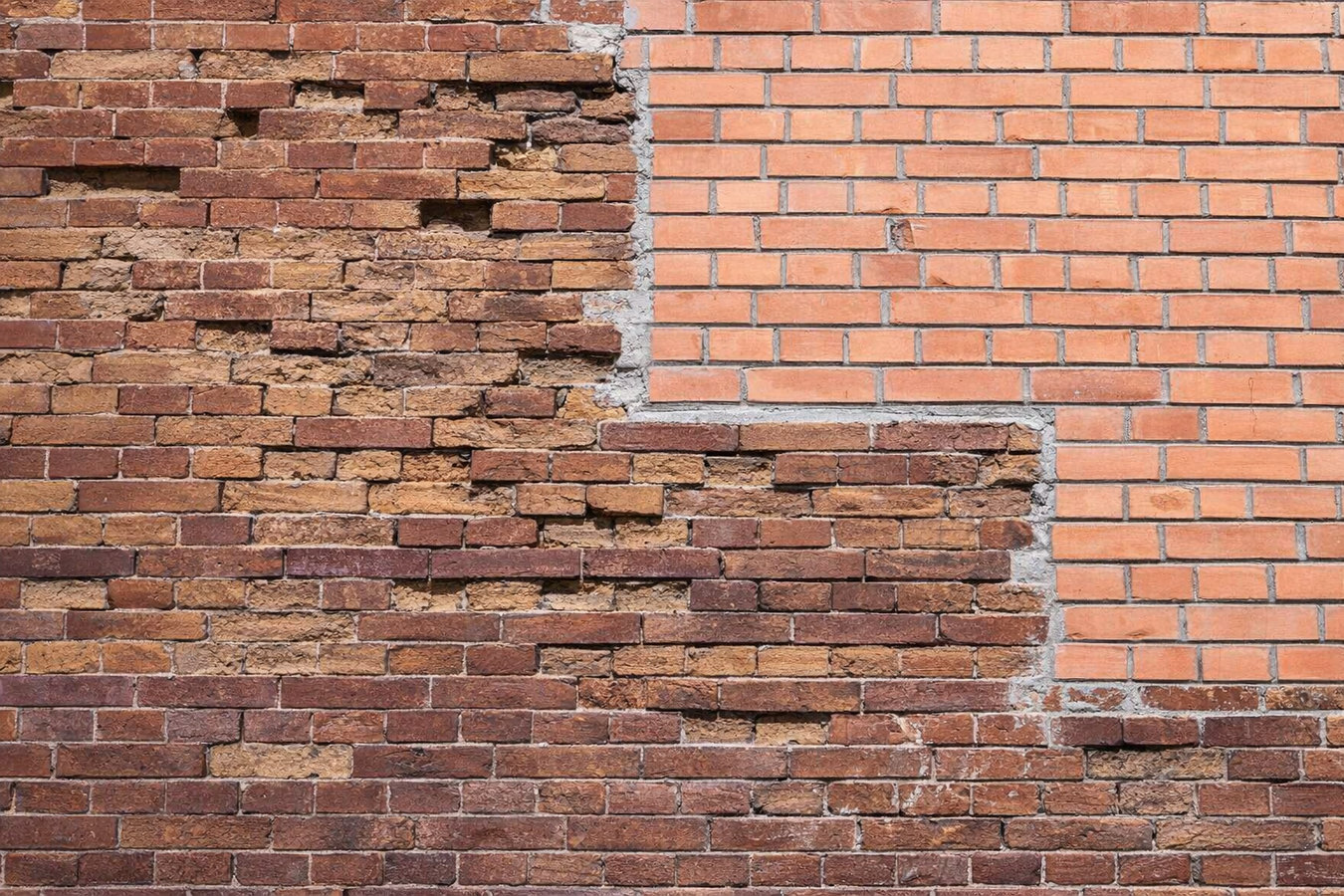
Masonry restoration in Citrus Heights is the process of repairing, cleaning, and stabilizing brick, stone, or concrete block surfaces damaged by age, weather, or moisture. Most jobs involve repointing mortar joints, patching cracked or spalled surfaces, and sealing the finished work - and most projects are completed in two to five days.
If your home was built in the 1960s or 1970s, there is a good chance the original mortar has never been replaced. That mortar is now 40 to 60 years old, and in Citrus Heights, where winters are wet and summers push above 100 degrees, it takes a beating every single year. Once it softens or recedes, water gets behind the surface and starts breaking down the bricks themselves. Many homeowners also notice that fireplace installation projects uncover hidden masonry damage in adjacent walls - which is why a full assessment matters before any masonry work begins.
A full tear-down is rarely necessary. In most cases, a skilled contractor can repair the damaged sections, match the original material closely, and leave your home looking restored rather than patched.
Run your finger along the lines between your bricks or stones. If the mortar feels soft, crumbles away easily, or has recessed noticeably below the face of the brick, it is no longer keeping water out. This is the most common restoration sign, and catching it early costs far less than waiting until water gets behind the surface.
That powdery white residue is called efflorescence, and it happens when water moves through masonry and carries dissolved salts to the surface. In Citrus Heights, where winter rains soak into aging mortar joints, efflorescence is a common early warning that moisture is moving through the masonry somewhere it should not be.
The Sacramento Valley's extreme temperature swings and clay soils cause masonry to expand, contract, and shift slightly with the seasons. Diagonal or stair-step cracks near corners are a sign the masonry has been stressed beyond what the mortar can handle. Small cracks let in water that widens them further each cycle.
When the outer face of a brick starts to flake off in layers or pit like a sponge, moisture has been getting in and breaking down the material from the inside. This is called spalling, and once it starts, it tends to accelerate. In Citrus Heights homes built in the 1960s and 1970s, spalling on original brick is increasingly common as those materials age.
Our masonry restoration work covers the full range of repairs that aging brick and stone homes need. Repointing - also called tuckpointing - is the most common job: we remove deteriorated mortar from the joints, match the original material in color and hardness, and pack the new mortar flush so the wall sheds water cleanly. We also handle spall repair, crack stitching, chimney restoration, and surface cleaning to remove efflorescence and staining. For homes with decorative stonework, we offer stone masonry repairs that blend seamlessly with the original material.
After repairs are complete, we apply a breathable water repellent to surfaces where it adds meaningful protection - slowing moisture absorption while still letting the wall release any trapped water. We also work on fireplace installation and restoration projects, where the masonry around the firebox and chimney often needs the same careful repair work as exterior walls.
Ideal for homeowners with recessed, crumbling, or missing mortar joints on brick or stone walls.
Best for homes where the outer face of individual bricks is flaking, pitting, or breaking apart.
Suited to walls with structural or cosmetic cracks that need stabilizing before water intrusion worsens them.
Right for chimneys with failing mortar, loose bricks, or white staining from moisture moving through the stack.
For homeowners who want the white salt staining cleaned off and the moisture source sealed so it does not return.
A finishing step after repairs that adds a breathable water repellent layer, extending the life of the restoration.
Citrus Heights sits in the Sacramento Valley, where summer temperatures regularly climb above 100 degrees and winters bring concentrated rainfall between November and March. That cycle of heat, dryness, and then soaking rain is hard on mortar joints - it dries them out, then forces water into any small crack that formed during the dry months. The clay soils under most yards here compound the problem: they swell when wet and shrink when dry, which puts seasonal stress on foundations, chimney bases, and brick veneer. Homeowners near Orangevale and Fair Oaks share the same soil and climate conditions, and we see the same patterns of damage across all three communities.
A large share of the homes in Citrus Heights were built between the 1960s and 1980s, and the masonry from that era is now old enough that original mortar joints are beginning to fail in earnest. If your home was built during that window and the mortar has never been replaced, a visual inspection is worth doing before small problems become large ones. The best window for restoration work is typically April through October, when conditions are dry enough for mortar to cure properly - but if you are seeing damage now, an assessment can be scheduled any time. The Brick Industry Association publishes guidance on material matching and restoration standards that reputable contractors follow.
Call or message us and we will follow up within one business day. We will ask a few basic questions about what you are seeing and where on the home it is - because masonry damage is hard to price accurately from a photo alone.
We walk the area with you, probe the mortar joints and cracked areas, and explain what we are seeing in plain terms. You receive a written estimate that breaks down the work, materials, and timeline - not just a single number.
We schedule the job during a dry stretch, since mortar needs several days without rain to cure properly. Before the crew arrives, clear the area around the work zone: move vehicles, patio furniture, and potted plants away from the wall.
The crew removes damaged mortar before applying any new material - this preparation step is what separates lasting repairs from ones that fail in a year or two. When finished, we clean the face of the brick and walk you through the completed work before leaving.
Free estimates, no obligation. We reply within one business day.
(916) 618-0266One of the most common complaints after masonry repair is that the new mortar is a completely different color from the old. We take the time to match the original material in color, texture, and hardness - so the repair blends in and your home looks restored, not patched.
We have been working on homes throughout the Sacramento northeast suburbs for years and know the housing stock here well - the clay soil conditions, the 1960s and 1970s brick veneer construction, and the mortar failure patterns that come with Sacramento Valley weather. Local experience affects whether the repair holds up through the next ten winters.
Any contractor performing masonry work in California must hold a valid state license. You can verify ours on the California Contractors State License Board website in about 30 seconds. A licensed contractor has passed a trade exam, carries required insurance, and can be held accountable through the state if something goes wrong.
We tell you upfront whether your project requires a permit from the City of Citrus Heights and handle the process for you if it does. Work done without a required permit can create complications when you sell, so we make sure everything is documented and above board before the first tool comes out.
Every one of those details adds up to work that holds. When you hire a masonry contractor you can verify and who knows this area, you are not just getting a patch - you are getting a repair built to last through Sacramento winters. The International Masonry Institute sets training and craft standards that inform how we approach every job.
Add or replace a fireplace with a full masonry build or gas insert, permitted and inspected through the City of Citrus Heights.
Learn MoreCustom stonework for walls, columns, and decorative features using natural or manufactured stone matched to your home.
Learn MoreBefore the next rainy season arrives, let us get your brick and mortar back in shape - spots fill up fast heading into fall.